
Main research focus
Why are most stellar temperatures not very accurate, and how can eclipsing binary stars help? Read more.

Interstellar dust blocks out the light we measure, so how can we mitigate for its effects? Read more.
I developed this public code to make it easier to measure temperatures for eclipsing binaries. Read more.

How can modern instrumentation unlock sub-percent precision for the properties of stars? Read more.
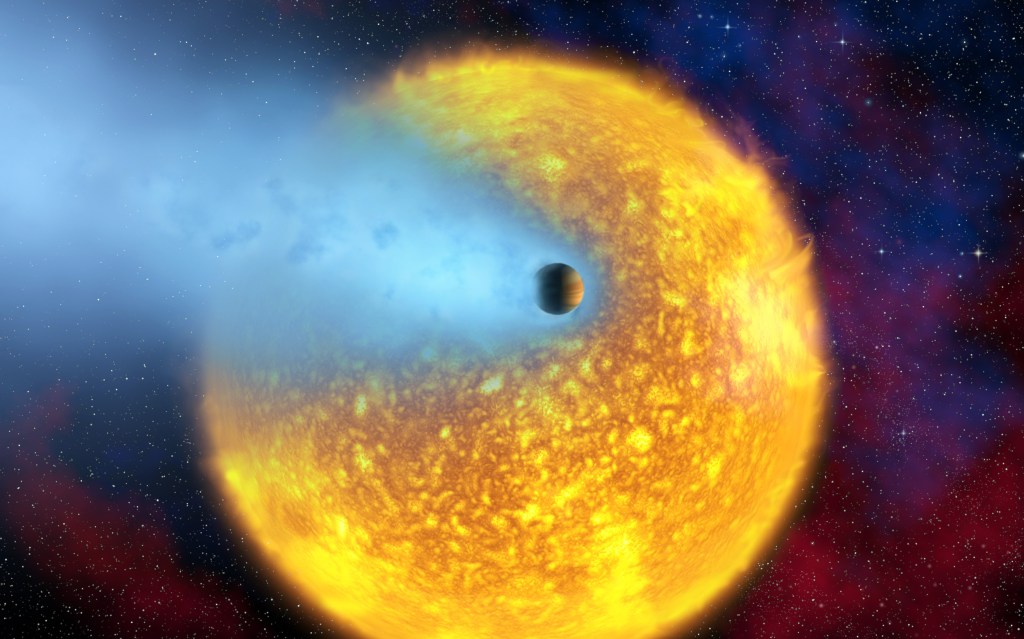
Some exoplanets are subjected to large amounts of X-ray and UV light. What happens to them? Read more.

I wrote an autonomous scheduler and was involved with commissioning the telescopes in South Africa. Read more.
Collaborations

The upcoming PLAnetary Transits and Oscillations (PLATO)mission is set to launch in 2026 and hunt for Earth-like planets around Sun-like stars. I’m involved with the Benchmark Stars work package, building a catalogue of well-measured calibration stars.
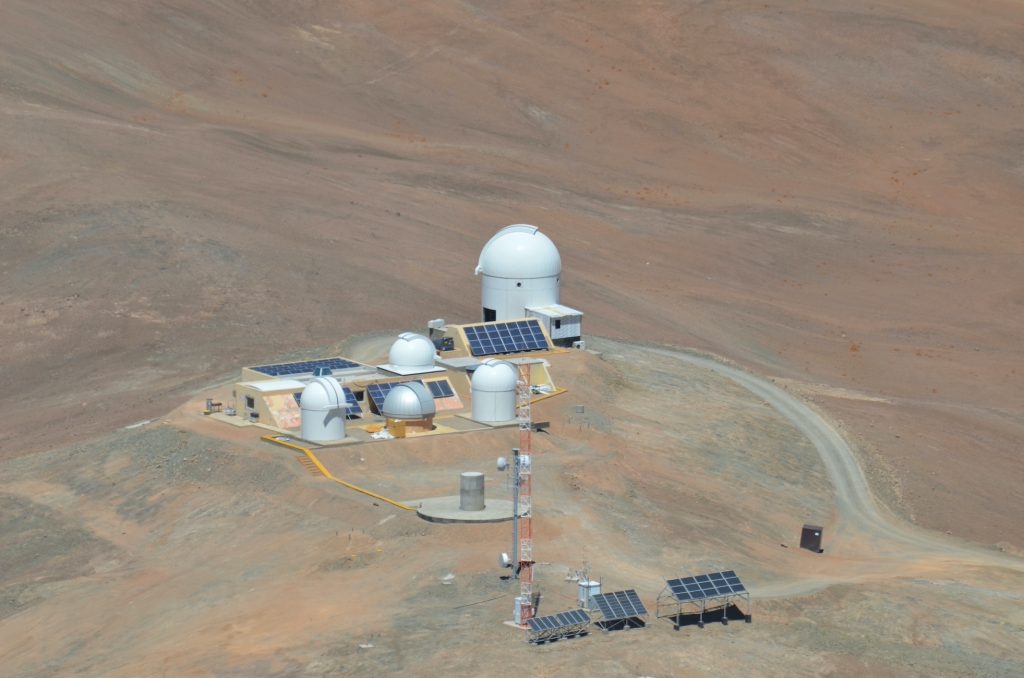
One mountain over from the E-ELT is OCM, an observatory operated by the Araucaria Project with telescopes dedicated to observing pulsating stars and eclipsing binary stars. During my time at CAMK I helped with the development and operations of the observatory, and used its data.
 Nikki Miller, PhD